


Vehicle theft usually happens quickly, with thieves often moving a stolen car within minutes. A professionally installed vehicle tracker gives owners an added layer of security and can help the police locate and recover a vehicle following a theft.
But how does vehicle tracking work after a car is stolen? Depending on the tracking system installed, the process can involve automatic theft detection, a secure monitoring centre, vehicle location technology, police involvement, vehicle immobilisation and recovery.
The exact process varies between tracking systems and providers. However, the following stages explain how stolen vehicle tracking and recovery typically works, starting with the theft and ending with the vehicle being recovered.
Stage 1: The Vehicle Is Stolen
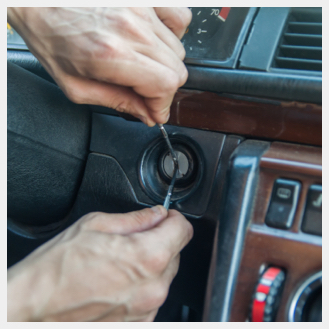
The process begins when someone gains unauthorised access to the vehicle and attempts to drive or move it.
Modern vehicle thieves use several methods to steal cars, including key theft, keyless relay attacks and techniques intended to bypass factory security systems. A tracking device can provide another method of locating the car if its original security measures are defeated.
Certain vehicle tracking systems also include features that can identify suspicious vehicle movement. Depending on the tracker installed, the system may recognise movement without the driver's authorised identification tag being present. Other systems can detect unauthorised movement or attempted tampering.
These features can allow suspicious activity to be identified quickly, which is particularly important during the early stages of a vehicle theft.
Stage 2: A Theft Alert Is Triggered
Once suspicious activity is detected, an alert can be generated.
With a professionally monitored vehicle tracking system, this information can be sent to a secure monitoring centre. The monitoring team can then follow the appropriate procedure to establish whether the vehicle has genuinely been stolen.
The exact process depends on the tracking product installed. Some trackers provide automatic alerts, while other thefts may first be discovered by the owner, who then contacts the monitoring centre.
A quick response can reduce the amount of time a thief has to move, conceal or dismantle the stolen vehicle.
Stage 3: The Owner is Contacted
If the tracking system detects suspicious activity, the monitoring centre may contact the registered owner to confirm the vehicle's status.
If the owner confirms that they have not authorised the vehicle's movement, the incident can be treated as a potential theft.
The owner may also discover the theft independently. For example, they may return to a car park or driveway and find that their vehicle has disappeared. In this situation, they can contact the relevant monitoring centre and report the vehicle as stolen.
Once the theft has been confirmed, the vehicle tracking and recovery process can begin.
Stage 4: The Stolen Vehicle's Location is Tracked
Vehicle tracking technology can provide location information that helps identify where the stolen vehicle has been taken.
Depending on the tracking system, GPS, GSM, VHF or a combination of technologies may be used. Different technologies provide different methods of locating a vehicle, and some tracking systems use more than one technology.
This can be useful because thieves may attempt to conceal stolen vehicles in garages, containers, car parks or other locations.
Rather than the owner attempting to follow the stolen vehicle themselves, location information can be handled through the monitoring and recovery process.
Vehicle owners should never attempt to confront suspected vehicle thieves or recover a stolen vehicle themselves.
Stage 5: The Police Can Be Involved
Once a theft has been confirmed, relevant information can be shared with the police in line with the procedures of the tracking provider and monitoring centre.
Tracking information can help officers identify the location of the stolen vehicle and support the recovery process.
One of the main benefits of monitored stolen vehicle tracking is that trained monitoring staff can manage the tracking process while communicating with the relevant authorities. The owner does not need to attempt to locate or recover the vehicle personally.
The vehicle can continue to be monitored as its location changes, providing useful information during the recovery operation.
Stage 6: Safe Vehicle Immobilisation
Some advanced tracking systems can support remote vehicle immobilisation, subject to the features of the tracker and appropriate safety procedures.
This does not mean that a moving vehicle is suddenly stopped while travelling at speed. Where immobilisation is supported, specific procedures are followed so that the vehicle can be prevented from being restarted or immobilised when it is safe to do so.
This can make it significantly harder for thieves to continue moving a stolen vehicle once it has been located.
The availability and operation of remote vehicle immobilisation varies between tracker models, so drivers should check the specific features of their chosen tracking system.
Stage 7: The Vehicle is Located and Recovered
Once the stolen vehicle has been located, the recovery stage can begin.
The exact recovery procedure depends on the circumstances of the theft, the location of the vehicle and the tracking service being used. The police or an approved recovery service may be involved in securing and recovering the vehicle.
The vehicle can then be inspected where required before arrangements are made for it to be returned to its owner.
For the driver, this completes the stolen vehicle recovery process, which may have started only hours earlier with an unexpected theft alert.
How Does a Vehicle Tracker Help Recover a Stolen Car?
A stolen vehicle tracker helps the recovery process by providing location information after a theft has been detected or reported.
Depending on the system installed, GPS, GSM, VHF or a combination of tracking technologies can help identify where a vehicle has been taken. This information can then support the monitoring centre, police and recovery teams as they work to locate the vehicle.
Some monitored vehicle trackers can also include features such as motion detection, driver identification, tamper alerts and immobilisation. The features available depend on the tracking system selected.
The key benefit is speed. The sooner suspicious movement is identified and the tracking process begins, the sooner the vehicle's location can be established and the appropriate recovery procedure can start.
Why Professionally Monitored Vehicle Tracking Matters
A vehicle tracker provides more than a location on a map. With an appropriately monitored system, there is a structured process in place to respond when a vehicle is stolen.
The process can begin with suspicious movement being detected before progressing through owner confirmation, vehicle location, police involvement and eventual recovery.
Trackerfit supplies and installs a wide range of vehicle trackers, car trackers and stolen vehicle tracking systems for cars, vans and other vehicles across the UK. Our team can help you choose a tracker based on your vehicle, security requirements and insurance needs.
If you want greater protection against vehicle theft, speak to our team on 0800 756 5100 or email [email protected] to find the right vehicle tracking system for your car.